
Whatever
You're Thinking — Start Here
Everyone Deserves to Come Home
Your Home. Your Life. My Full Attention.
Many real estate experiences feel rushed, generic, and
overwhelming. My approach changes everything.
I ask the questions others skip, notice the details that matter, and make sure you always know exactly where you stand. No pressure. No rushing. Just honest guidance and a clear path forward — whether you're buying, selling, trying to do both at the same time, or simply figuring out where to begin. Because this isn't just a deal - it's your life, and it deserves to be handled that way.

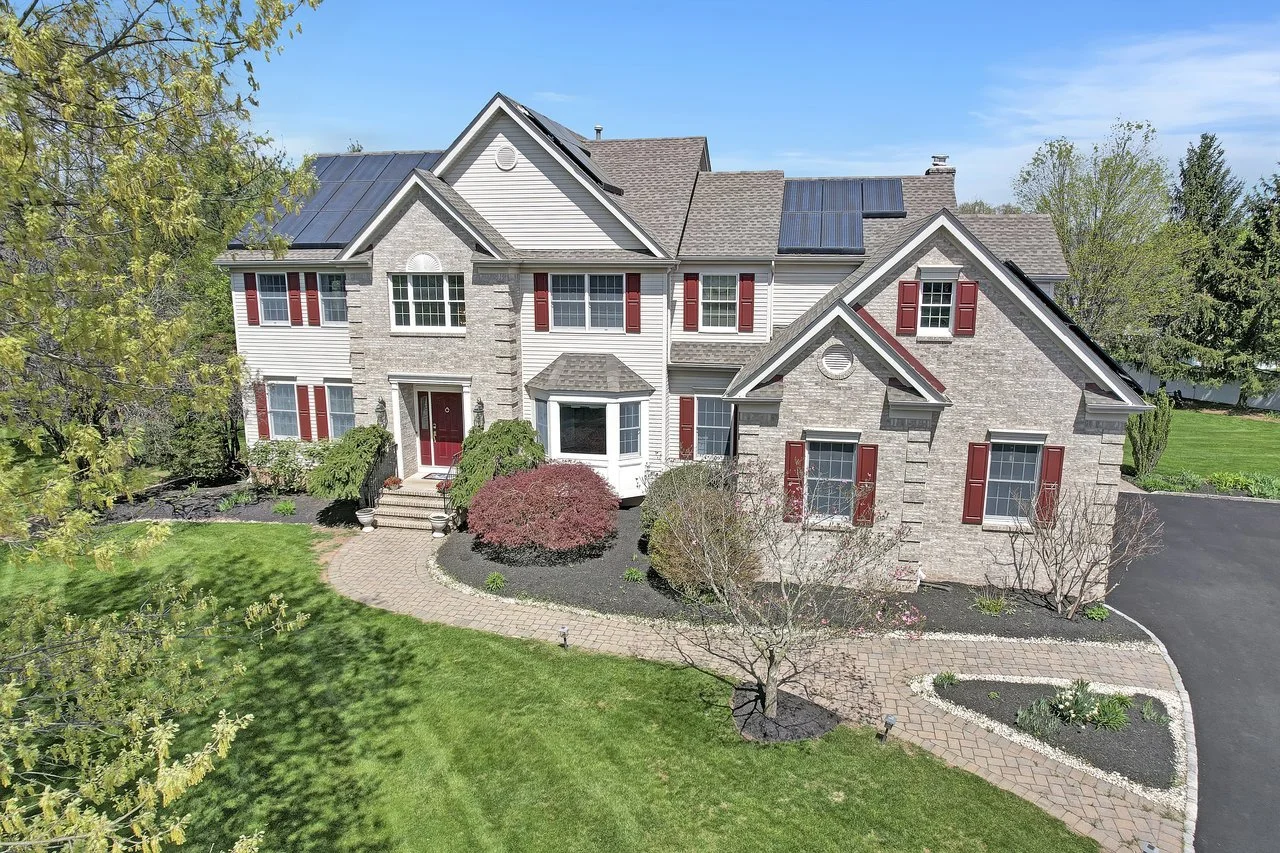
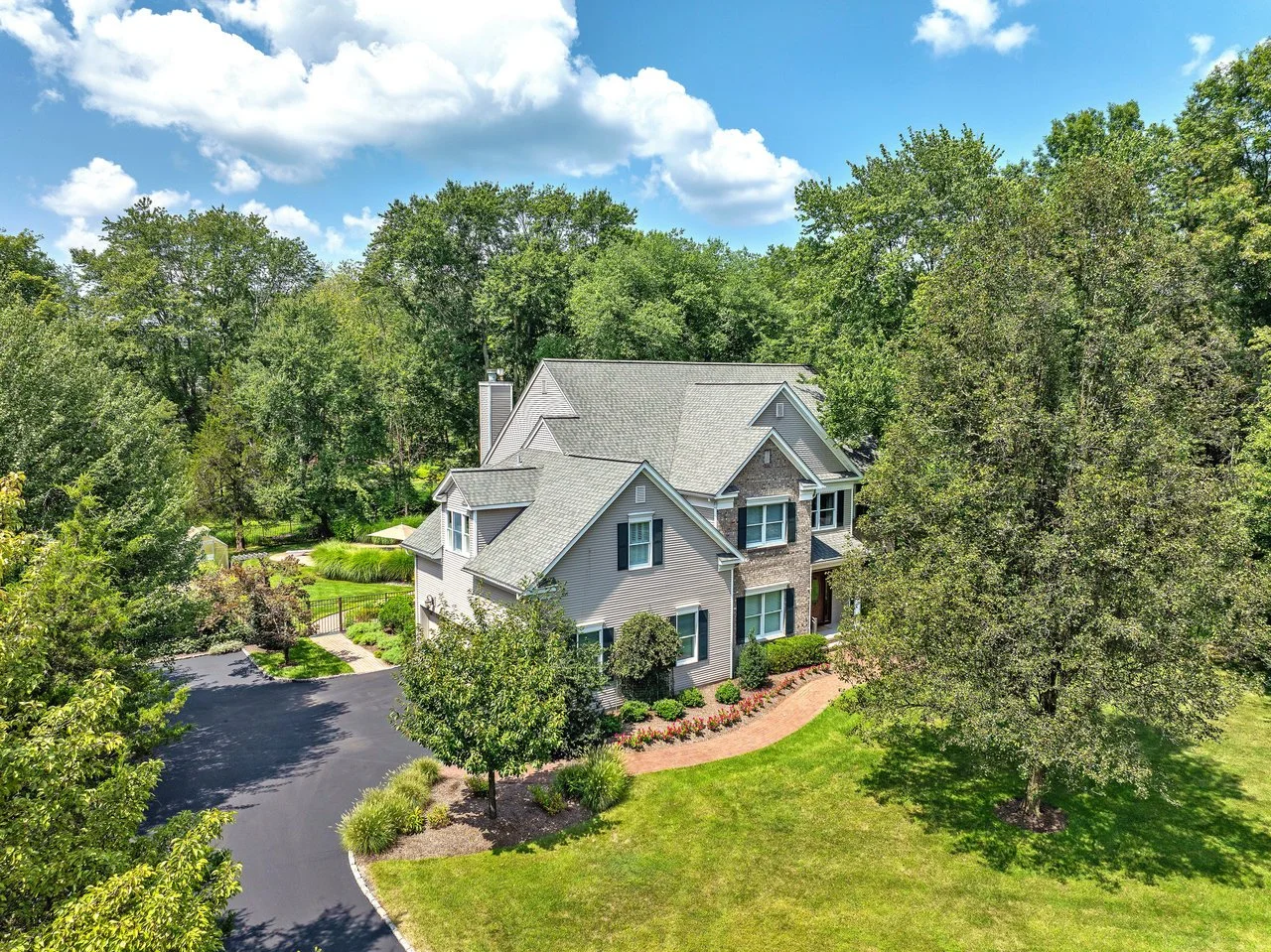
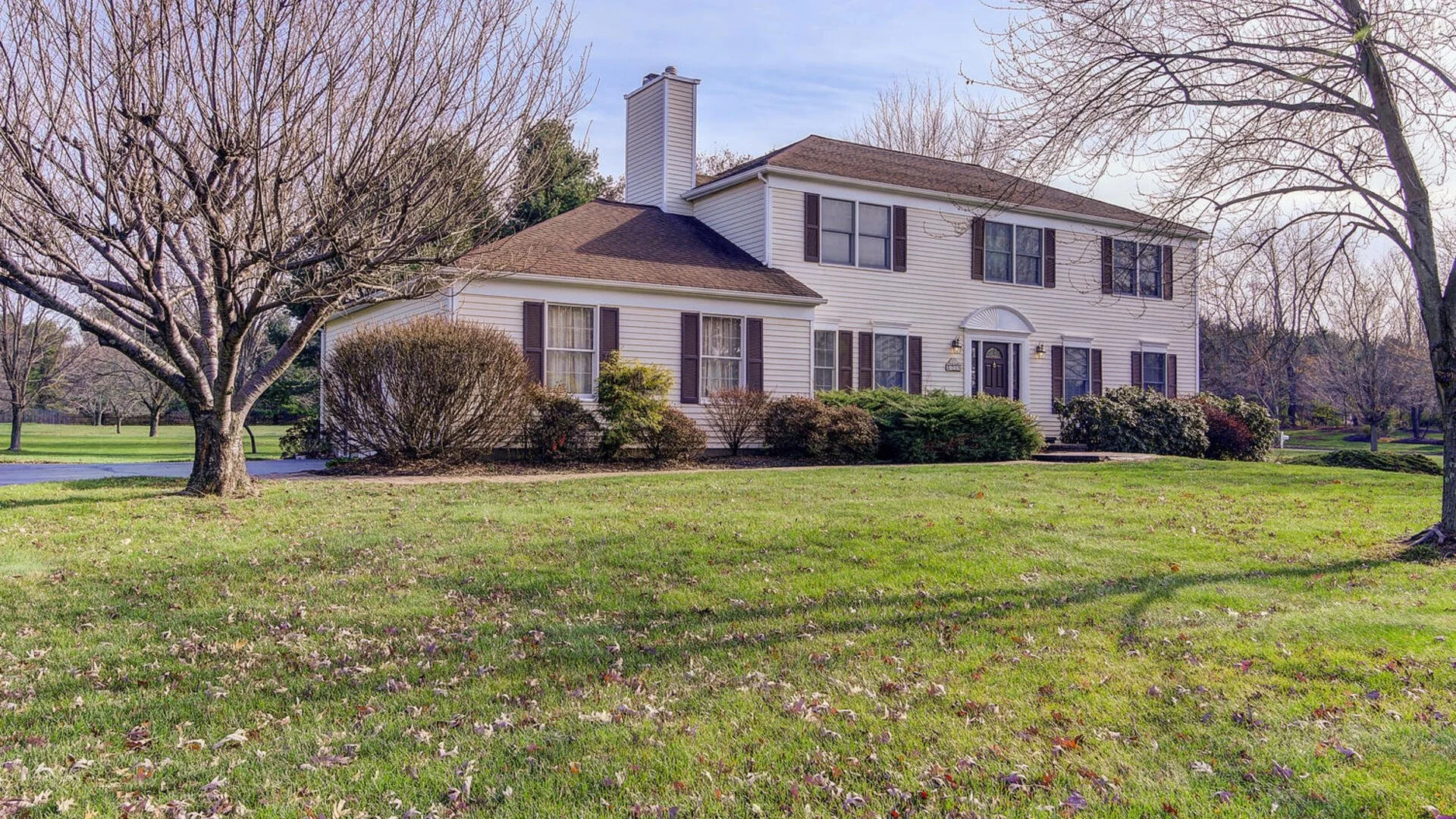
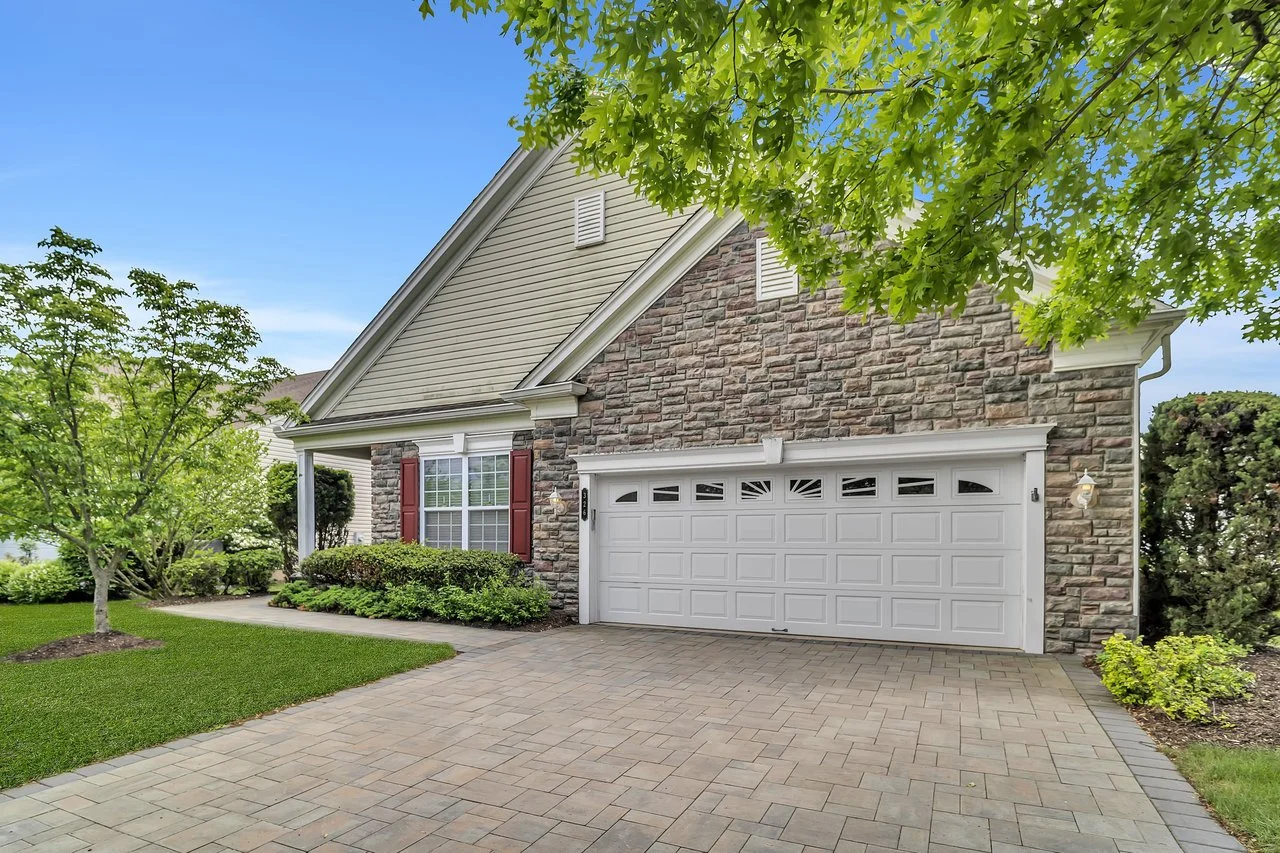
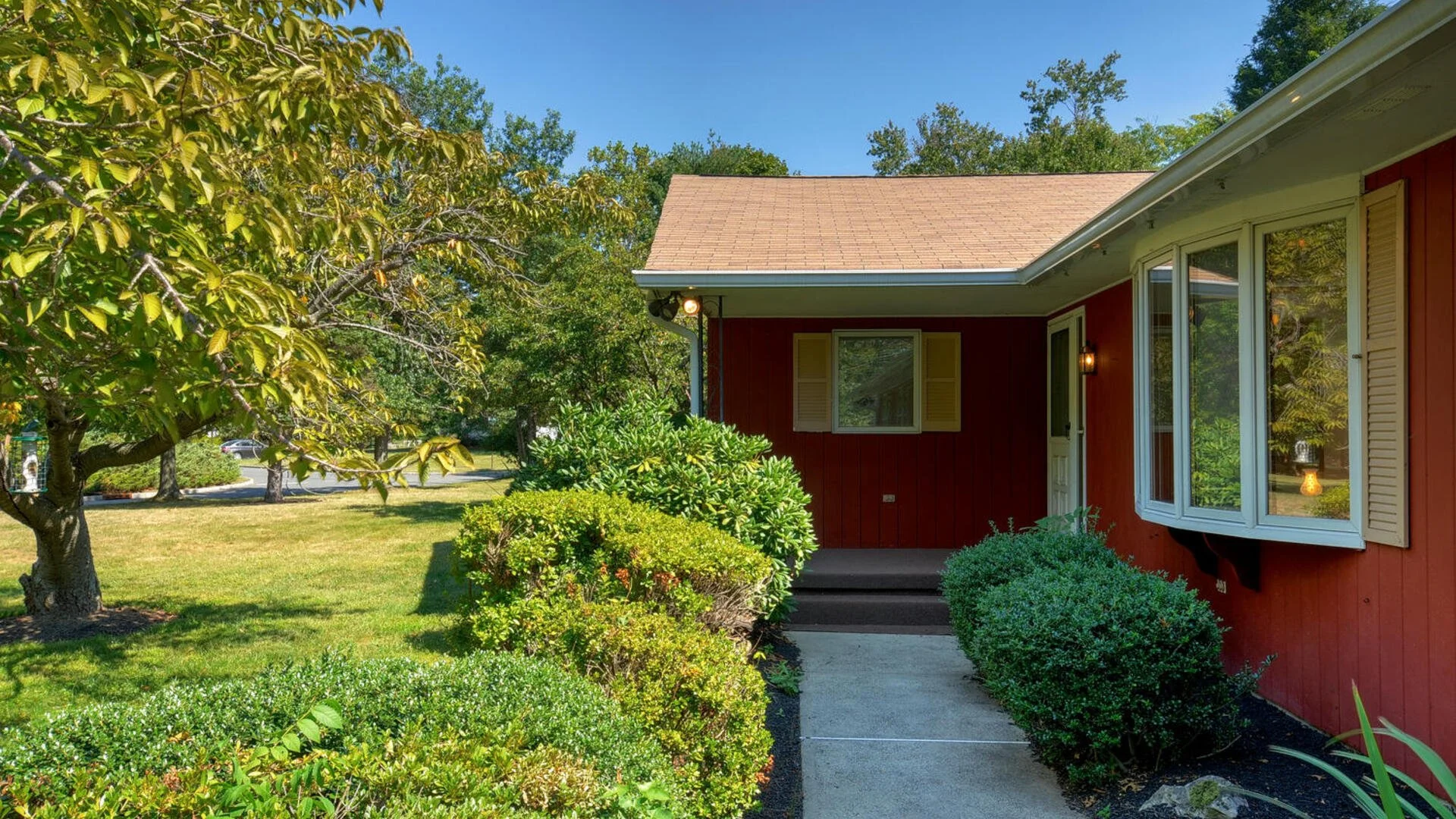
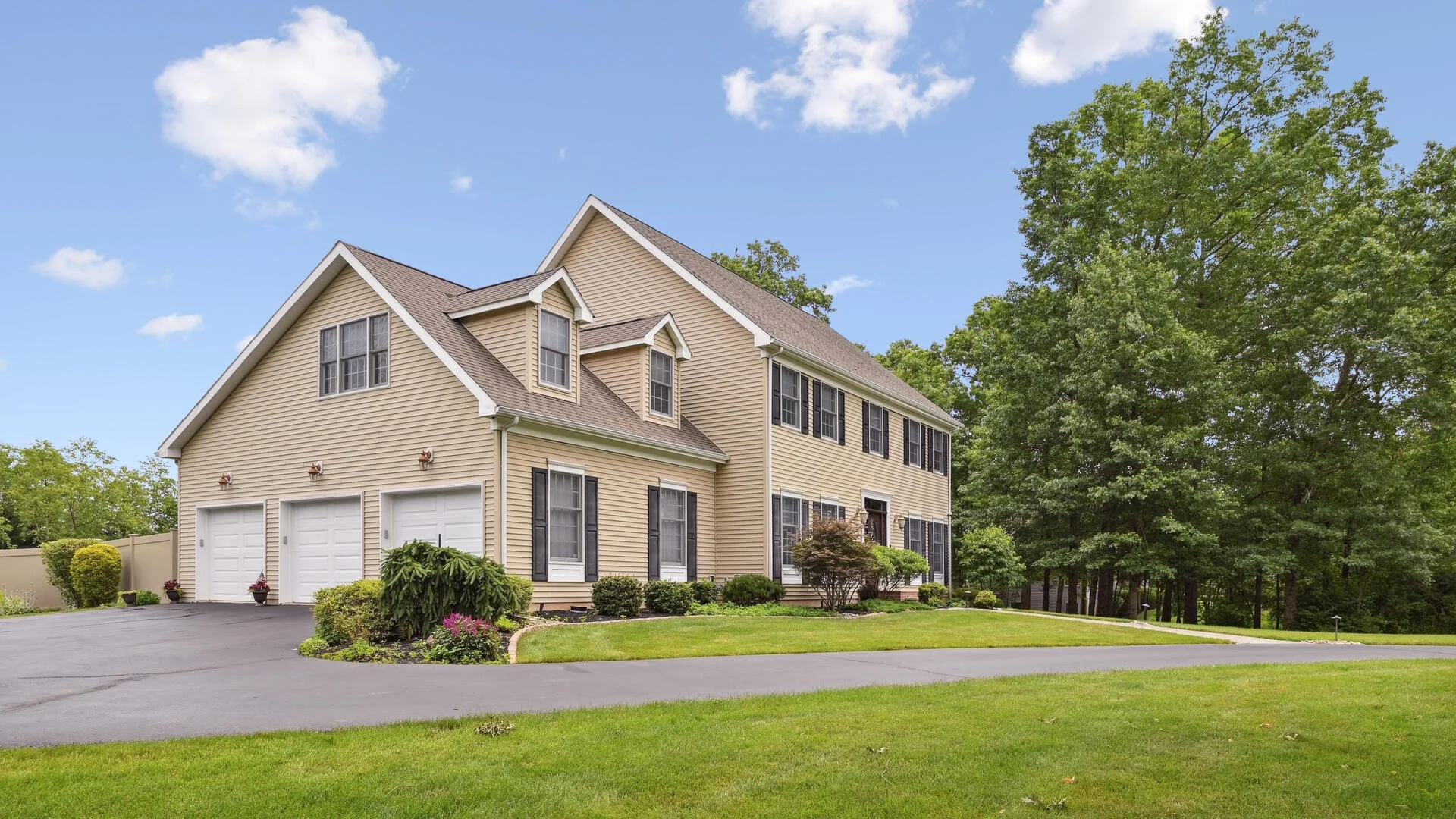
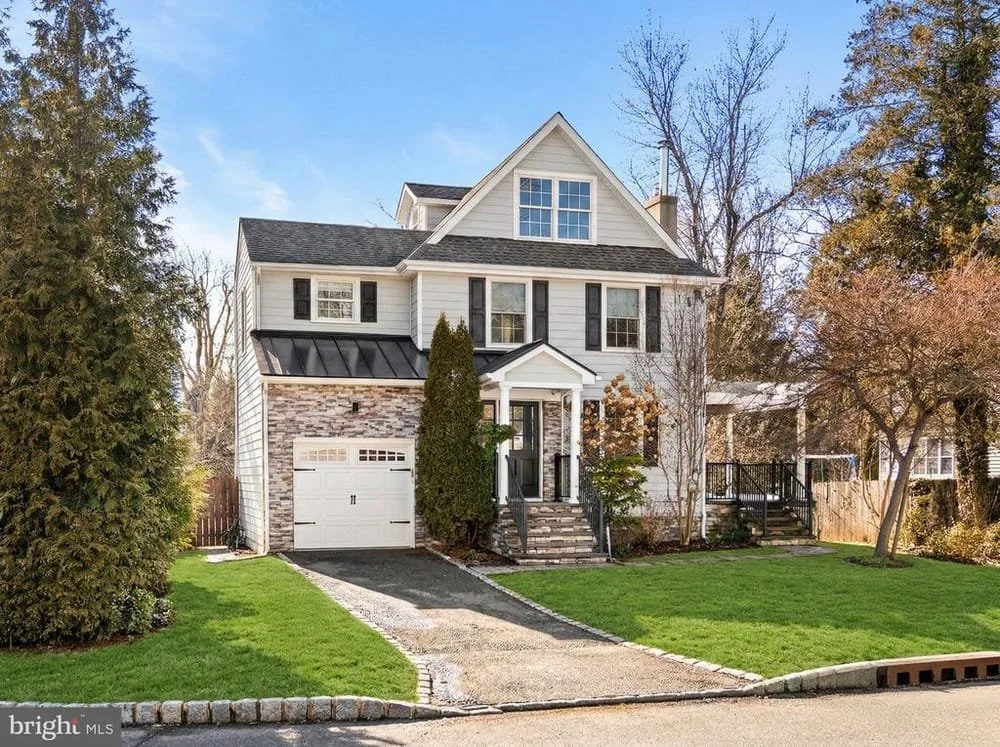
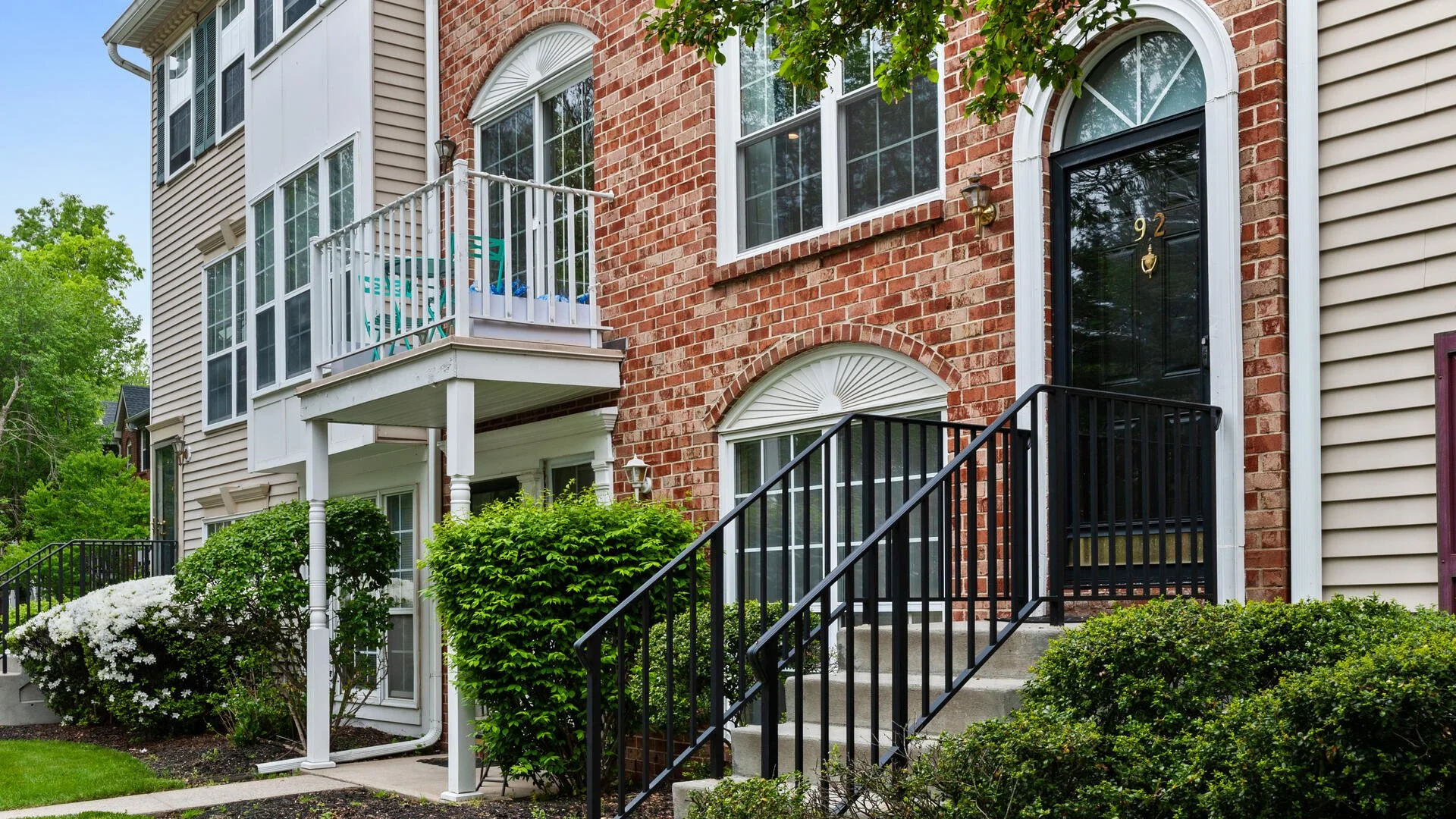
Explore Some of My Markets

Tools to Help You Along the Way
Whether you're just starting to explore or deep in the process,
these tools are here to help.
Questions?
I Have Answers
-
Absolutely — and the sooner the better. Getting pre-approved before you start looking does two important things: it tells you exactly what you can afford so you're not falling in love with homes outside your budget, and it makes your offer much more competitive when you find the right home. In today's market, sellers take pre-approved buyers much more seriously than those who haven't taken that step yet. I can connect you with trusted local lenders if you need a recommendation.
-
Not at all — and this myth stops a lot of people from buying sooner than they could. There are loan programs available with as little as 3% down for conventional loans, 3.5% for FHA loans, and even 0% down for qualified VA and USDA loans. The right down payment for you depends on your financial situation, credit profile, and goals. This is exactly why connecting with a knowledgeable lender early in the process is so important — you may be much closer to buying than you think. I'm happy to connect you with trusted local lenders who can walk you through your options with no pressure and no obligation.
-
Yes — and this is more common than you might think, especially for first time buyers receiving help from family members. Most loan programs allow gift funds for all or part of your down payment, but there are specific rules that must be followed. The gift must come from an acceptable source — typically a family member — and the donor will be required to sign a gift letter stating that the funds are a true gift and not a loan that needs to be repaid. The money also needs to be properly documented and sourced, meaning your lender will want to see where the funds came from and confirm they have been in the donor's account for a certain period of time. The rules vary slightly depending on the loan program — conventional, FHA, VA — so it's important to discuss this with your lender early in the process so everything is properly documented from the start. The last thing you want is a last minute scramble at closing over paperwork.
-
Yes — and it's one of the most valuable benefits available to our military families. The VA home loan program, available to eligible active duty service members, veterans, and surviving spouses, allows qualified buyers to purchase a home with no down payment and no private mortgage insurance (PMI) — which can result in significant savings both at closing and over the life of the loan. VA loans also typically offer very competitive interest rates. To be eligible your spouse must meet certain service requirements, and you'll need a Certificate of Eligibility which your lender can help you obtain. There are some fees associated with VA loans — including a funding fee — though this can sometimes be financed into the loan and may be waived entirely for veterans with service connected disabilities. As a Military Relocation Professional I have specific training in working with military families and understand the unique challenges and timelines that come with serving our country. It would be my honor to help you navigate the home buying process and make the most of the benefits you've earned.
-
Your credit score plays a significant role in both your ability to qualify for a mortgage and the interest rate you'll receive — and even a small difference in rate can mean thousands of dollars over the life of a loan. Generally speaking, a score of 620 is the minimum for most conventional loans, though FHA loans may allow scores as low as 580. The higher your score, the better your rate and terms will be. If your score isn't where it needs to be right now, don't give up — an experienced lender can review your specific situation and give you a concrete road map for improving your score, sometimes in a surprisingly short period of time. It's worth having that conversation sooner rather than later so you know exactly where you stand and what steps to take. And if you are already in the process of purchasing this is critical: do not do anything that could impact your credit score until after closing. That means no new credit cards, no large purchases, no co-signing loans, and no financing a car. Even something that seems minor can affect your score mid-transaction and potentially jeopardize your loan commitment. Your lender will advise you specifically, but when in doubt — don't.
-
Closing costs for buyers typically run between 2% and 3% of the purchase price and can include lender fees, title insurance, attorney fees, prepaid taxes and homeowner's insurance, and recording fees among others. It's also important to understand that since recent changes to how buyer agency is handled, buyers may now be responsible for all or part of their agent's commission depending on what is negotiated and agreed upon in their Buyer Agency Agreement. This is something we'll discuss clearly upfront so you know exactly what to expect before you start your search. Closing costs are often negotiable — in certain market conditions you may be able to ask the seller to contribute toward your closing costs, which can significantly reduce the cash needed at closing. Your lender is required to provide you with a Loan Estimate early in the process that outlines your expected costs, and I'll help you understand every line item so there are no surprises at the closing table.
-
Title insurance protects you against problems with the ownership history of the property you're buying — things like unpaid liens, errors in public records, undisclosed heirs, forged documents, or disputes over property boundaries that could surface after closing and threaten your ownership. There are two types of title insurance in New Jersey: a lender's policy which is required by your mortgage company and protects their investment, and an owner's policy which protects you personally. The owner's policy is optional but strongly recommended — it's a one time fee paid at closing that provides coverage for as long as you own the property. Title issues are rare but when they do occur they can be extremely costly and complicated to resolve. For the relatively modest one time cost, an owner's title insurance policy is one of the smartest protections a buyer can have. In New Jersey title insurance premiums are regulated by the state, meaning the rate is fixed and based on the purchase price of your home rather than varying from company to company. Your attorney and title company will walk you through the exact cost — and I'm happy to answer any questions along the way.
-
Absolutely — and I would never recommend skipping it. A home inspection is one of the smartest investments a buyer can make. For an investment that is modest relative to the purchase price of the home, you get a comprehensive assessment of the home's condition from a licensed professional — covering everything from the roof and foundation to electrical, plumbing, HVAC, and more. And if specialized inspections are warranted — such as mold, sewer scope, septic, etc. — those can be added on and are absolutely worth the additional cost. No home is perfect and even brand new construction can have issues. The inspection gives you a clear picture of what you're buying, potential repair costs down the road, and in many cases the ability to negotiate repairs or credits with the seller. Waiving a home inspection to make your offer more competitive is a risk I strongly caution against — what you don't know absolutely can hurt you. I work with several outstanding home inspectors throughout Central NJ and am happy to provide recommendations.
-
An appraisal is an independent assessment of a home's market value conducted by a licensed appraiser — and if you're financing your purchase, your lender will require one. The appraisal protects the lender by confirming that the home is worth at least what you're paying for it. If the home appraises at or above the purchase price, the process moves forward smoothly. If it comes in below the purchase price — known as a low appraisal — it can create a challenge. In that situation you have a few options: the seller can reduce the price to the appraised value, you can make up the difference in cash, you can negotiate a middle ground, or in some cases you can dispute the appraisal if there is solid data to support a higher value. In today's competitive market it has become increasingly common for buyers to waive the appraisal contingency in order to make their offer more attractive to sellers. This is a significant decision — if you waive the appraisal and the home appraises below the purchase price, you are committing to making up that shortfall entirely out of pocket. Before agreeing to waive an appraisal contingency it's critical to understand your financial position and be both willing and able to cover that gap. It's a conversation we will have together before you make any offer. It's important to understand that an appraisal is not the same as a home inspection — it assesses value, not condition. And unlike a home inspection which you schedule yourself, the appraisal is ordered by your lender and the cost is typically paid by the buyer as part of closing costs.
-
The honest answer is that online estimates like Zillow's Zestimate are a starting point — but they're often surprisingly inaccurate because they can't account for what makes your specific home unique. The condition, updates, layout, lot, and neighborhood nuances all matter enormously. The best way to find out what your home is truly worth in today's market is a Comparative Market Analysis — a detailed review of what similar homes in your area have actually sold for recently. Unlike an algorithm, I bring real boots-on-the-ground knowledge from years of touring homes throughout Central NJ. I understand the subtle differences that data simply can't capture — which updates and upgrades resonate with today's buyers, what features matter most in each town, and how to position your home to attract the right audience. I provide a CMA at no cost and with no obligation.
-
First impressions matter enormously — both online and in person. Before your home hits the market I'll walk through it with you and give you honest, practical guidance on exactly what to focus on. Generally speaking, the highest impact steps are decluttering and depersonalizing so buyers can envision themselves living there, addressing any obvious deferred maintenance items, and making sure the home is spotlessly clean. Fresh neutral paint, updated lighting, and clean curb appeal can make a significant difference without breaking the bank. I'll also advise you on what NOT to spend money on, because not every improvement translates to a higher sale price. The goal is to present your home in its best possible light while being smart about where you invest your time and money.
-
Seller closing costs typically include real estate commission, attorney fees, and any agreed upon credits or repairs negotiated with the buyer. In New Jersey specifically, sellers are also responsible for the Realty Transfer Fee — a state imposed fee based on the sale price of your home. If you are relocating out of New Jersey, be aware that a withholding amount is collected at closing as a prepayment of estimated state income tax on any gain — commonly referred to as the 'exit tax' though it is not actually a separate tax. See the question below for a full explanation of that. Your attorney will provide you with a projected net sheet before closing so you know exactly what to expect — but I always recommend having that conversation early so there are no surprises.
-
The term 'exit tax' is widely misunderstood — and it causes a lot of unnecessary anxiety for sellers. It's not actually a tax at all. It's a prepayment of estimated New Jersey income tax on any gain from the sale of your home, withheld at closing if you're a non-resident or are moving out of state. The current withholding rate is 2% of the sale price or 8.97% of the estimated gain — whichever is higher. The key word is prepayment — if you've lived in the home as your primary residence and qualify for the federal capital gains exclusion, you may get all or most of it back when you file your NJ tax return. It can feel like a shock at the closing table if you're not prepared for it, so it's important to discuss this with your attorney and accountant well in advance of your closing date.
-
If you've lived in your home as your primary residence for at least two of the last five years, you may be able to exclude up to $250,000 of gain from federal capital gains tax as a single filer, or up to $500,000 if you're married filing jointly. Beyond that exclusion, gains are subject to capital gains tax. Every situation is different depending on your length of ownership, how the property was used, and your overall tax picture. This is a conversation best had with your accountant or tax advisor well before you list — not after closing. I'm happy to connect you with trusted professionals who can give you the guidance you need.
-
Yes — and it's a situation I often work with. The key is careful timing and strategy. Depending on your financial situation there are a few ways to approach it: you can list your home first and negotiate a flexible closing date that gives you time to find your next home, or you can shop for your new home while preparing yours for market so both processes move forward simultaneously. In some cases a bridge loan or home equity line can give you the flexibility to buy before you sell. In the right circumstances a Use and Occupancy Agreement can also be negotiated — allowing you to remain in your current home for a period of time after closing, which can be a game changer if you need the proceeds from your sale for your next purchase, want to avoid putting belongings in storage, or simply can't have everything on a moving truck for days while waiting to close on your new home. The best strategy is often driven by market conditions — in a strong seller's market you have more leverage to negotiate favorable terms, while a buyer's market calls for a different approach entirely. Every situation is different and there's no one-size-fits-all answer — but with the right planning it absolutely can be done smoothly. This is exactly the kind of conversation I love having early, because the more runway we have the more options you have.
-
Yes — and this is one of the most important things to understand about real estate transactions in New Jersey. While attorney representation is not legally mandated in NJ, it is standard practice throughout most of the state and strongly recommended. Unlike many other states where attorneys play little or no role in a real estate closing, in New Jersey your attorney will review and negotiate the contract during attorney review, handle title issues, coordinate with your lender, review closing documents, and represent your interests at the closing table. Real estate contracts in NJ are complex legal documents and the protections an experienced real estate attorney provides are well worth the cost. In a standard transaction attorney fees in Central NJ typically range from approximately $1,300 to $2,600 depending on the complexity of the transaction and the attorney — a small price for the peace of mind and protection you receive. I work closely with several outstanding real estate attorneys throughout Central NJ and am happy to provide referrals if you need one.
-
This is one of the most common misconceptions in New Jersey real estate — and it's important to understand how attorney review actually works. Yes, the contract provides a 3 business day attorney review period — but that clock doesn't work the way most people think. The 3 days begins only after all parties have signed the contract and it has been delivered to both parties. More importantly, as soon as either attorney sends a letter 'disapproving' the contract — which is completely standard practice and does not mean the deal is falling apart — the 3 day clock stops entirely. Attorney review then remains open and ongoing until both attorneys have agreed on all modifications and formally conclude the review period in writing. In practice this means attorney review can last anywhere from a few days to a few weeks depending on how many modifications are being negotiated. During this time either party can walk away from the transaction without penalty. Once attorney review is formally concluded the contract becomes fully binding — and that's when your timeline for inspections, mortgage commitment, and closing truly begins.
-
Absolutely — and I understand how overwhelming this process can be, both emotionally and logistically. I have extensive experience working with clients navigating real estate decisions as part of a divorce, and I bring something beyond professional expertise to these situations — I've been through a challenging divorce myself. I know firsthand what it feels like to make major financial decisions while your personal life is in upheaval, and I approach every situation with the patience, discretion, and sensitivity it deserves. One thing I want every divorcing client to know: I don't take sides. I'm not your advocate or your spouse's advocate — I'm on the side of the house. My job is to handle the real estate with professionalism and neutrality, always focused on achieving the best possible outcome for the transaction itself. Whether you need to sell the marital home, find a new place to start your next chapter, or navigate a situation where both parties need to be involved in the decision making process, I'm here to help. I'll work to make the real estate piece of this transition as smooth and stress-free as possible — so you can focus on moving forward.
-
Absolutely — relocation is an area where experience truly matters, and it's one I know well. Whether you're moving to Central New Jersey from out of state or another country, or you're being transferred out and need to sell quickly and efficiently, I've navigated every side of the relocation process. For incoming buyers I understand the unique challenges of purchasing a home in an unfamiliar market — often under time pressure and sometimes without the ability to make multiple trips. I'll be your eyes and ears on the ground, helping you get up to speed on neighborhoods, commute patterns, schools, and community feel so you can make a confident decision. For sellers relocating out, I have extensive experience marketing and selling homes on behalf of relocating families, including working directly with relocation companies as an inventory specialist — managing homes that have been bought out by the relo company and need to be prepared, marketed, and sold efficiently. Whether your move is corporate, personal, or international, I have the experience and network to make it as smooth as possible.
-
Right here — and I'm glad you reached out because this is an area where having the right agent makes an enormous difference. Whether you're managing an estate, helping a parent transition to assisted living, or handling a family property from out of the area, these situations come with a unique set of challenges that go far beyond a typical transaction. The property often needs to be cleaned out, assessed, repaired, and prepared for market — all while you may be managing family dynamics, legal processes, and emotional weight, sometimes from a distance. I've worked with these situations throughout my career and understand both the complexity and the sensitivity involved. I serve as a dedicated local point person — coordinating everything so you don't have to make multiple trips or manage vendors from afar. I have a trusted network of resources including estate sale companies, cleanout services, stagers, and contractors who I've worked with and trust. My goal is to take as much off your plate as possible and handle every detail with care — so you can focus on your family.
Real Stories. Real Results.
-
![]()
★★★★★
Karen went above and beyond in helping us sell our mom’s condo. She was not only professional and knowledgeable, but also genuinely caring and flexible to our needs. Her expertise made what could have been a stressful experience feel smooth and manageable. Her support and attention to detail made a big difference. We truly felt supported every step of the way and couldn’t have asked for a better agent!
— Maureen Alvarez
-
![]()
★★★★★
Karen is an excellent realtor. Although it took us over two years to find the home we were looking in this market, but we never felt pressurized. She understood from day one what we are looking in our new home. Once our offer was accepted, Karen worked through every step until closing. I highly recommend Karen as a real estate agent. Thank you very much Karen!!!
— Suddham Singh
-
![]()
★★★★★
Karen is a top-notch realtor who helped me buy my first home. Her knowledge of the central NJ area is second to none. She's also incredibly responsive and will move heaven and earth to help her clients. In an everchanging and difficult market, Karen made things easy. I cannot recommend her highly enough!
— Matthew Comito
-
![]()
★★★★★
I can recommend Karen Gecik enthusiastically as a realtor based upon the recent successful sale of our childhood home. Karen is knowledgeable, professional, hard working, experienced, readily responsive and gave accurate and helpful advice throughout our very challenging sale process. Her help was invaluable and was key to the successful closing we experienced. I recommend Karen Gecik without reservation to anyone looking to buy or sell their home.
— Kimberly Vanaman
-
![]()
★★★★★
Working with Karen is an absolute pleasure. This is the second time we worked with Karen and she handled everything for us (as she did the first time with our house) including getting the apartment ready to show and was there to guide us all the way. After the apartment was sold she was there to help us with the closing and any paperwork that needed to be done. Karen was there to help us whenever we needed her and always had a smile on her face. I can’t emphasize what a pleasure it was to work with her!
— Arlene Stern
-
![]()
★★★★★
Karen is an excellent realtor. She helped me with a purchase of an investment property. She was detail oriented every step of the way and was always responsive and available through the closing. It was a pleasure working with her and I highly recommend her for buying or selling!
— Rick Vaghasiya
-
![]()
★★★★★
Every move I've made up to this one was paid for by the company I worked for. In the beginning of the first move I had to pay for I was a bit suspect of the whole real estate commission thing. All I can say now is that Karen earned every penny of that commission. Her knowledge, guidance, and networking got us through every situation that arose. Since we had already moved to Florida, Karen was on hand for every action that had to be taken to get us to closing; trash removal, carpenter bee treatment, everything. Her contacts proved invaluable for electrical work, trash removal, pest service, even her recommendation of an attorney. We interviewed three real estate agents, the single best decision we made through all of this was selecting Karen as our realtor.
— Michael Arcuri
-
![]()
★★★★★
Karen was wonderful. She was super informative and very helpful. We looked at so many homes and she always gave sound advice. My husband is military and we were moving from states away, with little idea of what to expect. Karen wanted us to have a great home and good prospects for the future. No detail was neglected. We’re so grateful that we had her to help.
— Maya George
-
![]()
★★★★★
Karen helped us sell our property quickly and for a premium! She knows the market very well. Her strategy for listing and showing the property was proactive. When other agents suggested listing at below market prices expecting an easy sale, Karen advocated an approach that maximized returns. She was super responsive, professional, and accessible. She guided the entire process. All of our interactions were a pleasure. We recommend her without reservation!
— Fred Giordano


Let's Talk
Ready to take that first step? I'd love to hear from you.